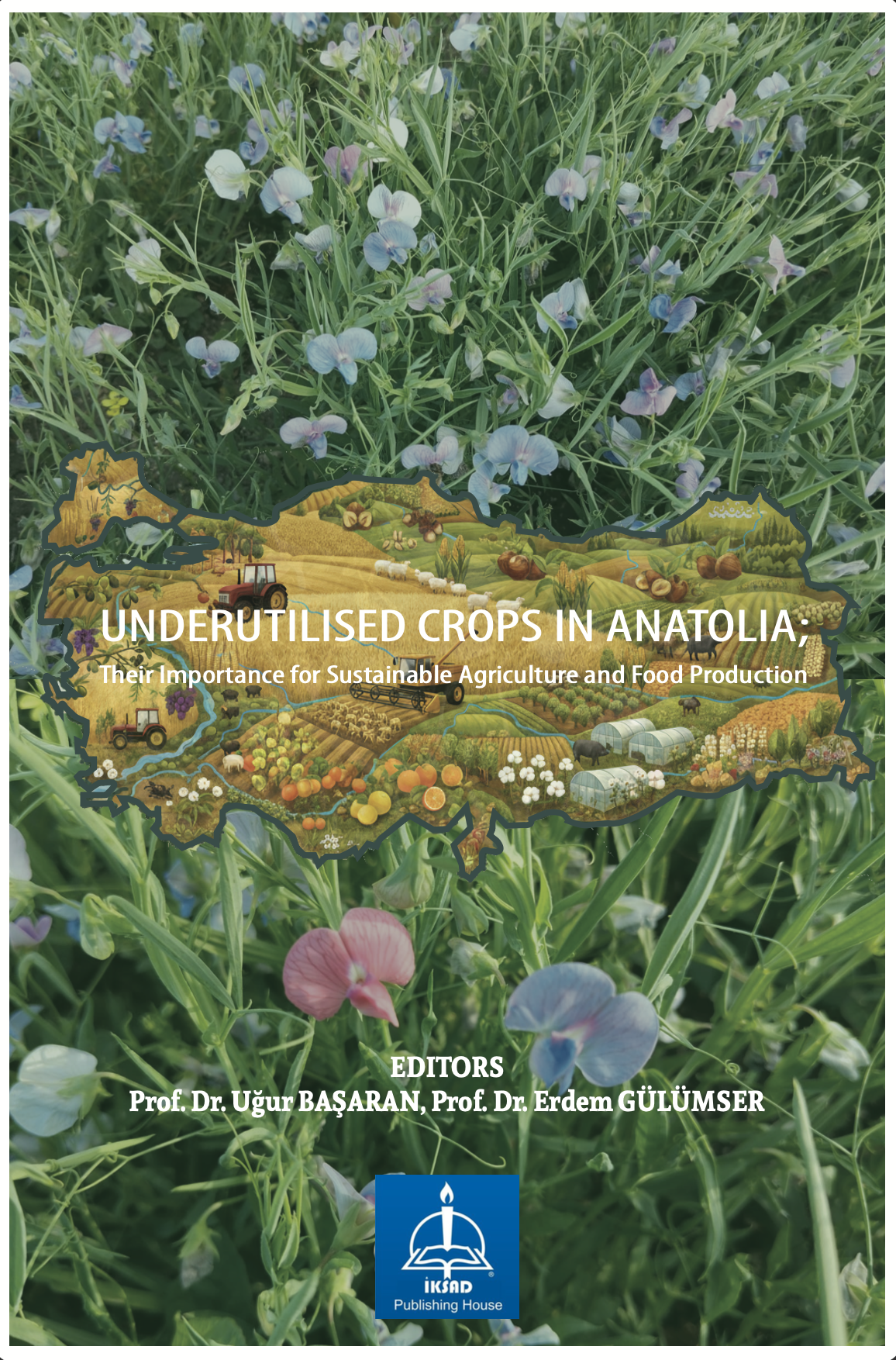
Agricultural systems are multi-component and highly dynamic environments, and ecological and anthropogenic factors can alter crop diversity in the long or short term, globally or regionally. The cultivation and consumption of some crops may change over time, decline significantly, or even disappear entirely. Such crops, which are planted less than in the past, are called neglected and underutilized crops (NUS) and sometimes orphan crops. Many factors can be cited as the reasons for the neglect of plants, such as agronomic developments and widespread mechanization in agriculture, social and economic developments, consumer preferences, etc. NUS include cereals, legumes, fruits, vegetables and root crops, often adapted to local conditions and cultural preferences. Nevertheless, NUS has been still used to some extent at local, national and international levels but the dominance of more productive crops in agricultural systems makes their presence in the field more difficult and leads to their increasing neglect. Not only are NUS ignored by farmers or their production reduced, they are also overlooked by researchers, extension services and policy makers. Modern agri-food systems, breeding programs, consumer preferences, and the promotion of high-yielding varieties have marginalized NUS, which play a minor role in current farming and food systems. This has led to farmers planting them less frequently, reduced access to high-quality seeds of NUS and, perhaps most importantly, the loss of traditional knowledge. However with the increasing focus on adaptation to climate change and the increasing demand for plant-based protein diets, NUS have begun to receive renewed and increasing attention worldwide in recent years.